We are wrapping up the final edits for the second rune book by Hrukjan titled “Wandering the Runic Path: Esoteric Analysis of the Germanic Runes.”
These will be published early next month and copies will be available from us around Samhain.
For those interested in the book, we’d like to share some information from the introduction:
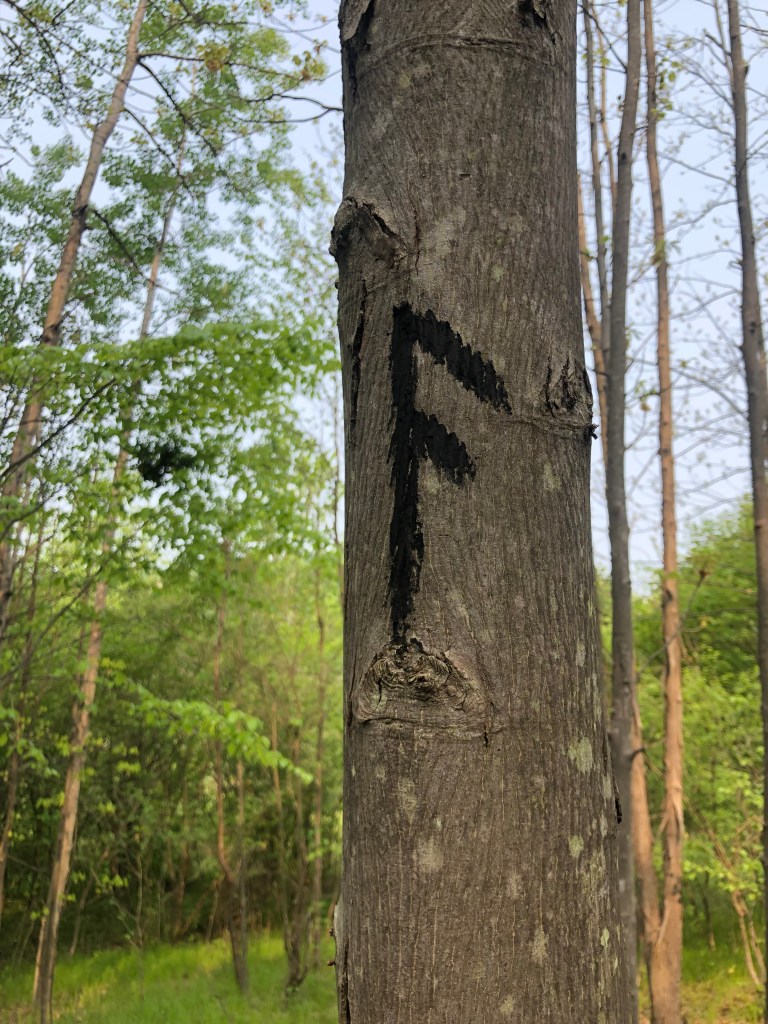
“This book is meant to help guide the runic adept through various untrodden paths regarding the runes and their use in esoteric Pagan practice. Through many avenues such as language, myth, religious comparison, and thorough analysis, one can expand the dimensions of each rune into the endless fathoms of space and time. Each rune of the Elder Futhark has been dissected and tirelessly studied so that no stone is left unturned in their usability and ultimate meaning. Along with in-depth study, each “aett” of runes has also been given a set of common themes that one can ponder in association to their roles within the entirety of the Futhark. Not only this, but it is speculated throughout the book that the order of the runes is not only important, but carefully tells a unique story regarding life, death, rebirth, and the ultimate truth of existence as expressed by the people who created and used them.
While much of this book is speculative in nature, offering a deeply subjective analysis of these symbols, there is also much concrete and objective information regarding their history, etymology, and journey through time. From their many connections to Sanskrit and other Indo-European languages, the reader can form a thorough understanding of these symbols based on thousands of years of transformation. The reader will see how these runes transcend culture and relate to the natural surroundings of the different tribes that used them as they migrated across much of Europe, Asia, and beyond. Through this approach, one will see that the use of the runes is not only universally applicable, but also, not restrained to a certain “folk” or people. By realizing the scope of their use, one can see them as a divine tool for Self-development and transformation, as each rune is a key to ultimate realization.
If you are looking for a book that is not just informative, but also applicable to religious and spiritual practice, then this book should offer you many avenues towards your own purified understanding of these ancient symbols as used by the greatest of sages and magicians of the past. My hope is that this book will act as a compass for the devoted reader as they traverse the dark and endless paths laid before them by these ancient symbols. By doing so, one does not get lost or steered in detrimental directions by those who would rather see you confused and reliant on outside influences. Runic knowledge and the wisdom inherent within them are present in every sentient being, especially those who have the memories of these signs within their very soul. These secret symbols mirror that which exists within us and each rune is a key to unlocking the mysteries that lie dormant within our experience of reality. May this book help you transcend the limitations of individual existence and soar into the ether as Odin once did upon the great World Tree.”
We have uploaded a new galdr track titled “Ek Immi Óðinn” to our YouTube channel.
Ek Immi Óðinn can be translated to “I am Odin” and is meant to invoke the supreme awareness within. After one feels the deity present in their surroundings, one is to merge this primordial consciousness into oneself, replacing the mundane qualities of their hindered state of being associated with ignorance, weakness, and delusion. This method is mirrored in the Sanskrit mantra “Soham,” meaning “I am That.” This is a technique which allows the practitioner to become the deity (Odin) through the replacement of one’s limited state of mind, substituting it with the primordial awareness represented by the all-pervading consciousness of Odin. Through chanting this galdr repeatedly, one can transform themselves with immense speed and precision if one practices with single-pointed focus.
May all sentient beings seek the source of their consciousness and realize Odin within.
ALU represents orally transmitted knowledge that is passed down or transferred between individuals. This is akin to one “vessel” pouring liquid (ALU) into another vessel, representing the passing of tradition and secret wisdom from teacher/guru to student/disciple. This can be visualized like a great fountain, where water cascades down from one source point, representing the head of the spiritual lineage, falling down into further basins which overflow into more and more, representing each member who retains the teachings.
One could also speculate that the magical phrase ALU, while being associated with an “intoxicating” beverage, could be a reference to the “madness” that Odin is said to bring forth in his devotees. Other Proto-Germanic words like aluh (amulet) and alh (protect) can bring us to see ALU as being “protected by the intoxication of Odin.” It is quite possible, as with the Vedic and Egyptian ancient temples, that this ALU was a mix of substances, kept within the temple for sacred use. Other ingredients were likely various herbs and psychedelic mushrooms.
ALU can also be associated with inspiration and the “Mead of Poetry.” This magical liquid is said to cause consumers to become skalds (poets) and scholars; created by the dwarves Fjalar and Galar by mixing honey with the blood of the wise god Kvasir. Odin steals this magical mead disguised as an eagle and brings it back to Asgard. He then (through his mouth) delivers it to the gods and those skilled in poetry, emphasizing the concept of orally transmitted wisdom. This story can be found in Skáldskaparmál.
May ALU flow within all sentient beings and may divine intoxication drive your spirit forward.
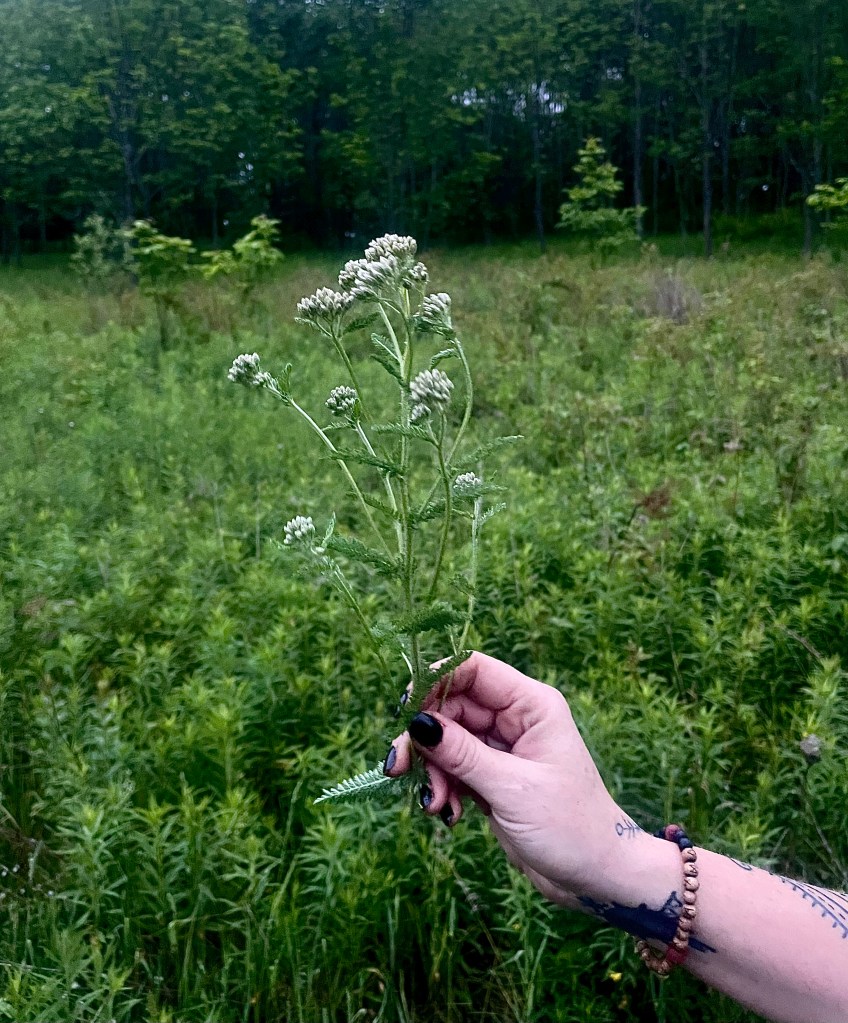
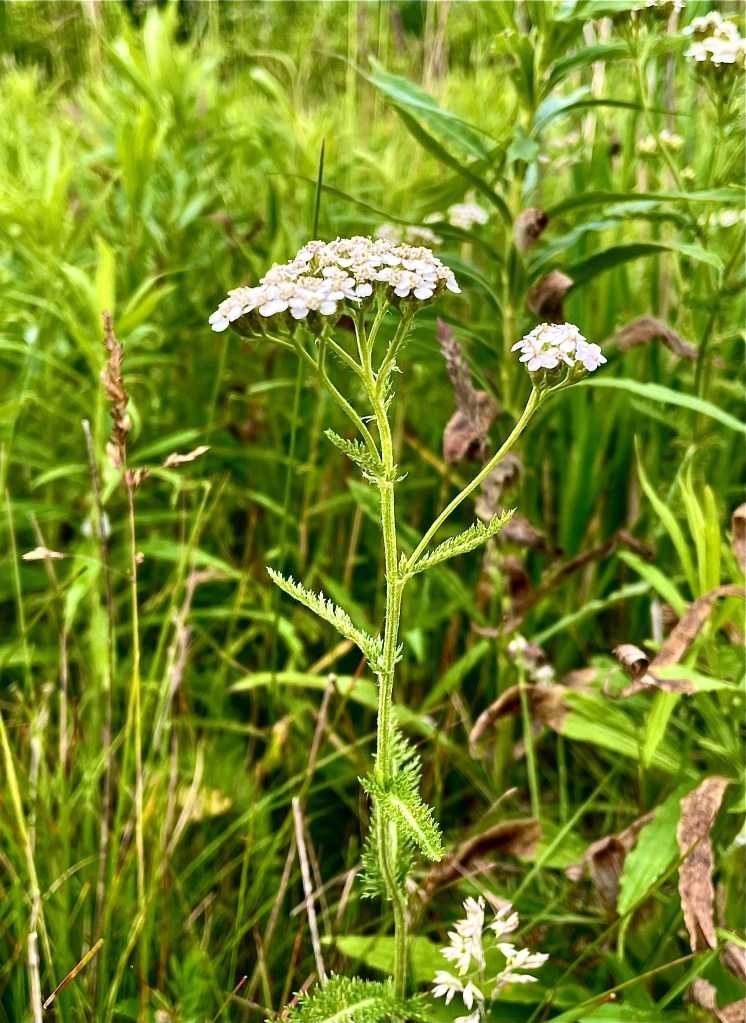
Yarrow is one of the most ancient herbs for practical medicine and ceremonial healing. Its pollen has been found in Neanderthal burial sites. Traces of yarrow leaf have been found in the teeth of a 50,000 year old Neanderthal man.
Yarrow is a joy to gather as it usually symbolizes the first days of Summer here in Western New York. For ceremonial and divinatory use, yarrow is traditionally gathered on Midsummer’s Day. Otherwise, it can be harvested soon after the flowers have opened and once the morning dew has dried.
Yarrow was named for the Greek warrior Achilles, whose longevity in battle was credited to being dipped in a warm bath of yarrow shortly after birth. Later in life, it’s said that he used yarrow leaves to heal the wounds of his men.
Yarrow is a strong ally for heavy bleeding and also works as an antiseptic. It finds its way into the medicine cabinet as a diaphoretic for colds and flu, made from yarrow’s flowers. It is also used as a bitter for improving digestion when taken before a meal as an aperitif and is effective for stomach and menstrual cramps and intestinal flus.
Yarrow’s roots have anodyne and anti-inflammatory qualities that can be used for tooth and teething pain. A frozen or cold cloth soaked in a decoction or diluted tincture will reduce inflammation when chewed.
It may also be used as a mild sedative to promote sleep or to calm anxiety. As a traditional divinatory and ritual herb, yarrow has been used in Native American sweat lodges, Chinese oracular ceremonies and European love charms for millennia.
A wash of the leaves or flowers will disinfect wounds and can be followed by a chew-and-spit poultice of fresh or dried leaves to stem bleeding and speed healing. Fresh yarrow leaves are preferred, as the dried leaves seem to lose their volatile oils very easily.
Astringent tannins in yarrow have made it a valued remedy for the reproductive system among midwives and herbalists.
Dried, powdered leaves are great for the medicine cabinet. A centuries-old Romani remedy is that it can be applied to cuts and wounds to prevent infection and stop bleeding. A pinch of the powder in the nose will also help quickly curb a nosebleed. Refrain from inserting fresh yarrow leaves into your nostrils.
Tincture ratios and dosage:
Leaf: Fresh (1:2 using 95% alcohol) or dry (1:5 using 50% alcohol); preparation 1–3 ml, three times a day.
Flower: Fresh (1:2 95% alcohol) or dry (1:5 50% alcohol); preparation 1–3 ml, three times a day.
Root: Fresh (1:2 95% alcohol) or dry (1:5 50% alcohol); preparation 1–3 ml, three times a day.
Infusion ratios and dosage:
Leaf: Infusion of 1 to 2 teaspoons (5–10 ml) of the dried leaves per 1 cup (240 ml) of boiling water, up to three times a day. Higher doses can be used acutely, as needed, for a short period.
Flower: Infusion of 1 to 2 teaspoons (5–10 ml) of the dried flowers per 1 cup (240 ml) of boiling water, up to three times a day.
Root: Decoction of 1 to 2 teaspoons (5–10 ml) of the dried roots per 1 cup (240 ml) of boiling water, up to three times a day.
Avoid ingesting during pregnancy. Both internally and externally, yarrow may cause side effects for those with Asteraceae sensitivity (contact dermatitis, photosensitivity, and allergic reactions) although reactions are very rare. Be sure of your yarrow identification, as there are poisonous look-alikes, including poison hemlock.
In science, one applies approved methods to achieve a certain outcome. If one wants to develop new methods, they experiment until they find what works, then relay the information to others.
Tantra is an identical process, although it works on the plane that science struggles to grasp, the spiritual or metaphysical plane of conscious beings.
If you practice a certain tantric technique in the correct way, you will generally be able to achieve the results that the tantra describes, as long as you understand and have crossed the thresholds present in any preliminary practices.
In this way, one doesn’t usually follow the path out of blind faith, but rather, does so because of the direct experience of that which the tantra describes. Without putting the methods into practice and without direct experience, there can be no hope of achieving the described outcome of a tantric text or teaching.
No matter how much one reads about a topic of activity like meditation or tantra, if the material is not practiced and experienced, it will remain a distant, exotic fancy for one to flirt with.
May all sentient beings look inward and experience mind in its raw state.
Last year, during the time between Samhain and the November Full Moon, we carried out a 9 day ritual which covered many different aspects of reverence and renewal.
On the evening of the full moon, we concluded ritual operations by dropping off our letter for non profit approval at the local post office. Since then, we have been waiting patiently for the process to unfold.
Today, we finally found out that we are indeed approved by the state of New York to operate as a not-for-profit corporation. This opens up many doors for the future and will give us the opportunity to put together more events to benefit all.
Our purpose and dream for this project since the beginning was to create a space for all beings to practice on this path; a spiritual center that can be a source of refuge whether one is near or far. Whether Pagan, Hindu, Buddhist, or nondenominational, we aim to create a Sangha of practicing individuals with mutual respect and understanding for one another.
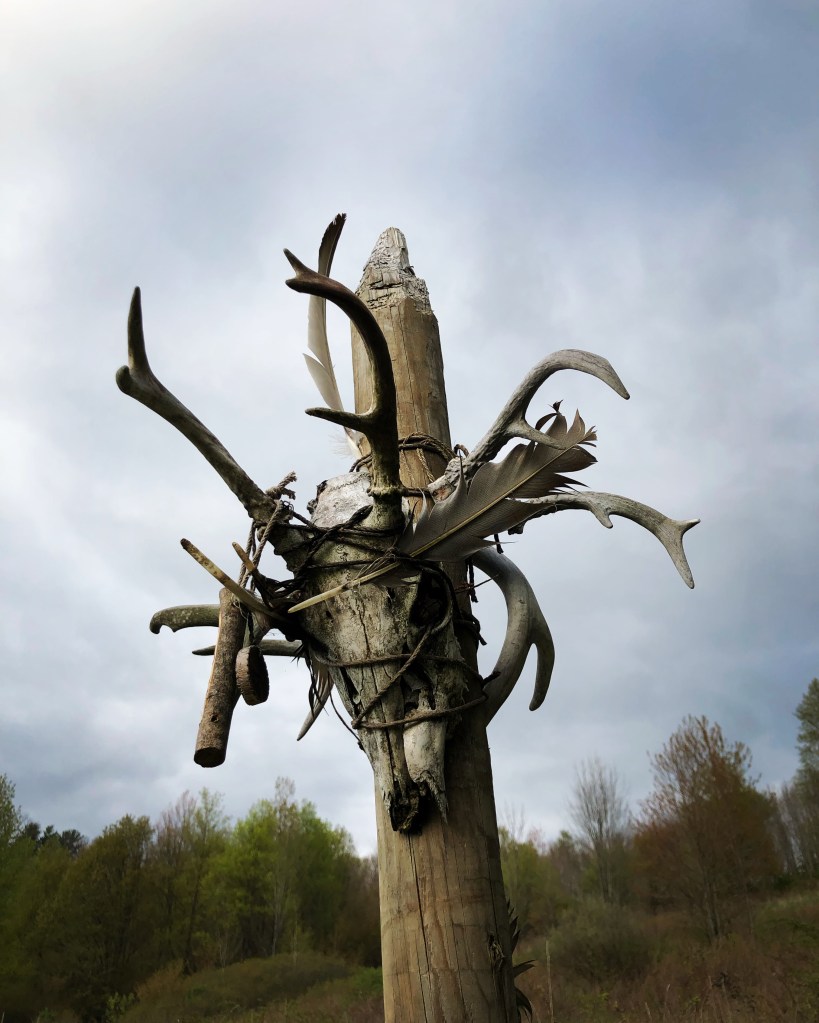
Cernunnos/Hurnaz represents the spirit, soul, or incarnation of the forest itself. Unlike most gods, which fill an archetypal form congruent to their other roles, Cernunnos isn’t necessarily one that the practitioner aspires to be(come), but rather, a spirit one asks for protection, aid, and blessings from. Our idol stands at the edge of our property where things are considered “ordered,” representing the liminal space between the safety of the homestead and the inherent dangers of the wilderness. With this in mind, and within a Germanic context, we see Cernunnos representing an older, ancient, natural “Jotun” or “Wight” type of spirit; one that we must form a relationship with if we want to have a completely unified connection and understanding of the forest and all of its life forms.
It is here we bring the dead we find and offer fruits and other foods for the wildlife, the children (and embodiment) of the forest. Cernunnos represents all landavetter and spirits residing in the mysterious woods.
This god, as all others, has many different venerative systems, especially based on where it is you are practicing. If in a more urban setting, one might view this god as the Roman’s or civilized Gaul’s did, as a fertility and commerce god. If in the rural or farther reaches of society, one might have a more direct relationship with this god as the embodiment of the forest, as one by the sea would visualize the entirety of the ocean as Poseidon or Njord. Likewise, many cultures practiced this type of veneration in association with their geographical surroundings. Volcanoes, mountains, forests, lakes, oceans, etc., all embodied a certain god form inherent within them. This is where polytheism and animism overlap, forming the mindset of many of our ancestors prior to Christianity.
We are happy to bring you this new song “Goþa Fara” on this beautiful and auspicious Spring Equinox.
‘Goþa Fara’ is a Gothic phrase meaning, “have a good journey,” and is meant here as a blessing to all beings embarking on new journeys, whether in life or in death.
This song, in particular, is dedicated to my Grandfather, who passed away this month at 94 years old, still standing tall.
May his travels be light and swift.
To all those who are honoring the Dawn goddess today, may these words bring benefit:


 Ansuz Society